

Uterine Fibroids
Does the Type of Fibroid Matter? Why Location Can Change Your Symptoms and Treatment Options
If you’ve been told you have uterine fibroids, you may have also heard words like intramural, submucosal, or subserosal tossed around.
And if your first reaction was, “Okay… but what does that actually mean for me?” — you’re not alone.
Here’s the important part:
The location of a fibroid can matter just as much as its size.
Two women can both have fibroids of similar size and experience completely different symptoms because those fibroids are growing in different places.
That’s why understanding the type and location of fibroids can make a big difference when deciding what treatment may make the most sense.
First, What Are the Main Types of Fibroids?
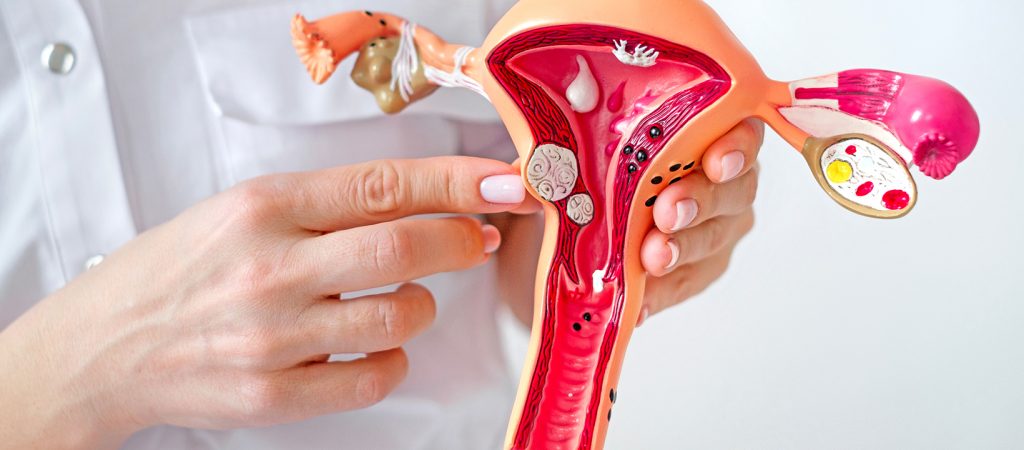
Fibroids are usually grouped based on where they grow in relation to the uterus.
The three main types are:
- Intramural fibroids — grow within the muscular wall of the uterus
- Submucosal fibroids — grow toward or into the uterine cavity
- Subserosal fibroids — grow toward the outside of the uterus
Some fibroids can also grow on a stalk, which is called a pedunculated fibroid. Mayo Clinic classifies fibroids this same way and notes that symptoms are influenced by location, size and number.
So why does that matter?
Because where the fibroid sits often helps explain what symptoms show up.
Submucosal Fibroids: Often More About Bleeding
Submucosal fibroids grow toward the inside of the uterus, where the uterine lining is located.
Because of that location, even a relatively small submucosal fibroid can cause noticeable symptoms.
These may include:
- Heavy menstrual bleeding
- Longer periods
- Bleeding between periods
- Cramping
- Iron-deficiency anemia from ongoing blood loss
This is a good example of why “bigger” doesn’t always mean “worse.”
A small fibroid that pushes into the uterine cavity can sometimes cause more bleeding than a larger fibroid growing somewhere else.
Submucosal fibroids are also the type most likely to affect the uterine cavity itself, which is why location can become especially important when fertility or pregnancy is part of the conversation.
Intramural Fibroids: The Most Common Type
Intramural fibroids grow within the muscular wall of the uterus.
Depending on their size and number, they can cause a mix of symptoms.
Some women experience:
- Heavy bleeding
- Pelvic pressure
- Cramping
- A feeling of fullness
- Enlargement of the abdomen
- Back or pelvic discomfort
Larger intramural fibroids can also change the shape of the uterus or push toward the uterine cavity.
That means a fibroid that starts out “inside the wall” can still affect bleeding or other nearby structures as it grows.
Subserosal Fibroids: Often More About Pressure
Subserosal fibroids grow toward the outside surface of the uterus.
Because they aren’t usually pushing directly into the uterine cavity, they may cause less bleeding than submucosal fibroids.
Instead, they tend to create more bulk-related symptoms.
That may include:
- Pelvic pressure
- Abdominal fullness
- Frequent urination
- Difficulty emptying the bladder
- Constipation
- Back discomfort
Why?
Because the uterus shares a fairly tight space with the bladder, bowel and other pelvic structures.
A fibroid growing outward can begin pressing on those neighboring organs. Mayo Clinic lists frequent urination, constipation, pelvic pressure and abdominal enlargement among common fibroid symptoms.
Why Two Women With Fibroids Can Feel Completely Different
This is where fibroid treatment becomes very individual.
Imagine one woman has a small fibroid pushing into the uterine cavity.
Her biggest problem may be extremely heavy periods and anemia.
Another woman has a larger fibroid growing outward from the uterus.
She may have relatively normal periods but feel constant pressure on her bladder and need to urinate all the time.
Same diagnosis: fibroids.
Very different experience.
That’s why the question isn’t simply:
“How big are my fibroids?”
Better questions are:
Where are they located?
How many are there?
What symptoms are they causing?
Are they changing the shape of the uterus or pressing on nearby organs?
Those details can matter when choosing treatment. Johns Hopkins notes that fibroid treatment decisions are influenced by symptoms, location, size, medical history and future pregnancy goals
Stop Waiting
Fill out our simple form and we will call you shortly
Imaging Helps Put the Pieces Together
Ultrasound is often the first test used to identify uterine fibroids.
In some cases, MRI can provide a more detailed look at:
- Fibroid size
- Fibroid location
- Number of fibroids
- Uterine anatomy
- Other conditions that may be contributing to symptoms
Mayo Clinic specifically notes that MRI can give a more detailed view of fibroid size and location and can help guide treatment planning.
At MTVIR, this kind of imaging information is important when evaluating whether Uterine Fibroid Embolization (UFE) may be appropriate.
Where UFE Fits
UFE treats fibroids differently than surgery.
Instead of physically removing individual fibroids, an interventional radiologist guides a tiny catheter into the arteries supplying the uterus and delivers small particles that reduce blood flow to the fibroids.
Without the same blood supply, the fibroids gradually shrink.
This can be particularly helpful for women with multiple fibroids, because UFE can target the overall fibroid blood supply rather than requiring each fibroid to be surgically removed one at a time.
But location still matters.
Some fibroid patterns may require a different treatment approach, especially when future fertility is a major priority or when a fibroid projects significantly into the uterine cavity.
That’s why UFE should never be viewed as a one-size-fits-all solution.
The Type of Fibroid Helps Tell the Story
If you’ve been told you have fibroids, don’t stop at simply knowing they’re there.
Ask where they are.
Ask how large they are.
Ask which symptoms they’re most likely causing.
Understanding those details can make your treatment options much easier to understand.
At MTVIR in Dallas, Dr. Travis Van Meter specializes in minimally invasive image-guided treatments including Uterine Fibroid Embolization.
MTVIR is located in The Pyramids at 9101 N Central Expy, Suite 550, Dallas, TX 75231.
Call (469) 458-9800 to schedule a consultation and learn whether UFE may be an option for your fibroid symptoms.
